

Market Analysis April 2026: Navigating Global Pressures and Local Price Shifts
As the sun rose over Delhi today, the activity at local Mandis and petrol pumps reflected a narrative of cautious navigation. We are currently standing at a crossroads where international geopolitical friction meets domestic policy intervention. It is a delicate balancing act for the average Indian household right now: the Strait of Hormuz blockade keeps oil prices on a knife-edge, while the Indian government’s recent excise duty cuts provide a necessary buffer at the pump.
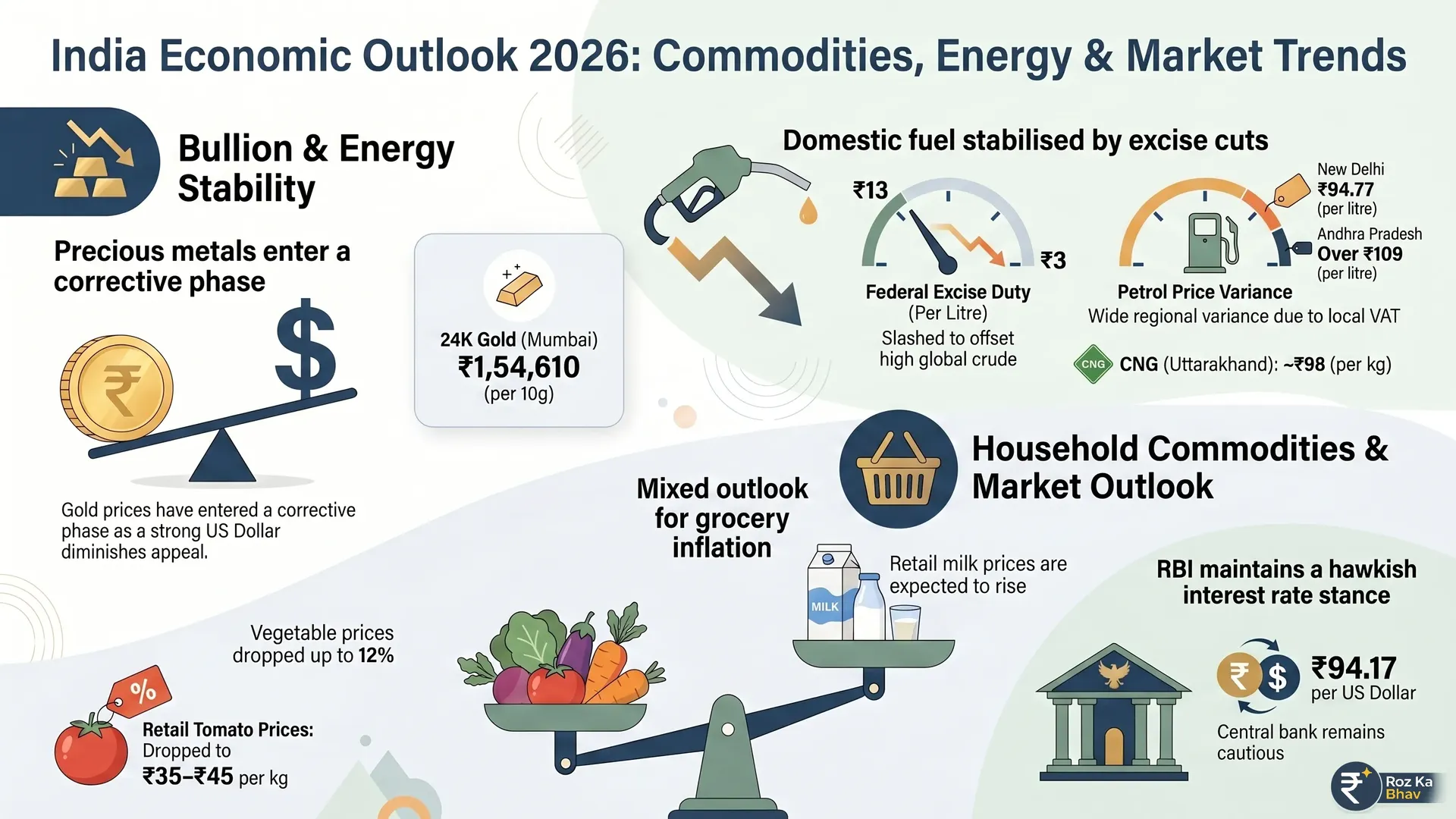
The headline story today is not defined by a single figure, but rather the factors driving these shifts. According to the latest updates from GoodReturns, the MCX gold contract has taken a breather, sliding below the ₹1.51 lakh mark. This trend stems from a resurgent U.S. Dollar and a Federal Reserve intent on maintaining high interest rates. When the Dollar gains strength, gold an asset that yields no interest naturally loses some appeal for global investors.
On Dalal Street, the sentiment is guardedly optimistic. Following several days of heavy selling which saw the Sensex shed over 800 points the Gift Nifty has finally moved into the green this morning. The market appears to be finding its footing after a volatile stretch. With Reliance Industries scheduled to report results later today, the tone for the coming week will soon be established. It is the type of day where investors keep one eye on their portfolios and the other on developing news from West Asia.
Bullion Market Update: A Cooling Period for Precious Metals
Gold investors have experienced a volatile year. In January, prices reached record highs above ₹1.80 lakh, but today’s environment feels markedly different. Market tracking indicates that retail prices for 24K gold are currently hovering around ₹1,54,000 per 10 grams in major metros, though the futures market suggests a continuing downward trend. Silver is also facing pressure, struggling to remain above the ₹2.40 lakh per kg level on the MCX.
Gold and Silver Rates in Major Cities (24 April 2026)
Note: Data based on 2026-04-24.
| City | 24K Gold (10g) | 22K Gold (10g) | Silver (1kg) |
|---|---|---|---|
| Mumbai | ₹1,54,610 | ₹1,41,726 | ₹2,58,720 |
| New Delhi | ₹1,54,340 | ₹1,41,478 | ₹2,58,280 |
| Chennai | ₹1,55,060 | ₹1,42,138 | ₹2,59,480 |
| Bengaluru | ₹1,54,730 | ₹1,41,836 | ₹2,58,930 |
For those looking to purchase, this price correction may offer some relief, but the market remains sensitive. The silver sector is particularly reactive to industrial demand and ongoing conflict in the Middle East. Should the situation in the Strait of Hormuz escalate, investors may pivot back to these safe-haven assets quickly. For now, the strategy remains one of patience and monitoring currency fluctuations.
Energy Watch: National Fuel Price Stability
Despite international crude trading at $106.66, fuel prices at the pump have remained relatively stable. Under normal circumstances, petrol prices might have exceeded ₹115 in Delhi; however, the Government of India has intervened by significantly lowering excise duties. Specifically, the duty on petrol was reduced from ₹13 to just ₹3 per liter.
This fiscal cushion prevents the domestic economy from overheating. According to the latest data from V3Cars, the petrol rate in Delhi is steady at ₹94.77. However, regional variations persist: in states like Andhra Pradesh, prices remain above ₹109 due to higher local VAT. These geographic discrepancies continue to impact daily cost-of-living budgets for commuters across the country.
Current Fuel and CNG Rates (24 April 2026)
Note: Data based on 2026-04-24.
| Metro City | Petrol (per L) | Diesel (per L) | CNG (per Kg) |
|---|---|---|---|
| New Delhi | ₹94.77 | ₹87.67 | ₹77.09 |
| Mumbai | ₹103.54 | ₹90.03 | ₹80.50 |
| Kolkata | ₹105.41 | ₹92.02 | ₹93.50 |
| Chennai | ₹100.90 | ₹92.49 | ₹91.50 |
The CNG market also shows notable regional diversity. While prices in Delhi hover around ₹77, commuters in Uttarakhand are paying nearly ₹98 per kg. These price gaps highlight the uneven costs of the green fuel transition across different Indian states.
Kitchen Essentials: Vegetable Relief and Dairy Warnings
The grocery sector presents a mixed outlook. The latest RBI Bulletin indicates that vegetable prices have started to soften this April as supply chains normalize. Tomatoes and onions are no longer the primary drivers of retail inflation that they were just weeks ago.
Conversely, the dairy sector is signaling upcoming price hikes. In Punjab, the procurement price for milk was recently raised by ₹10 to ₹15 per kg of fat to aid farmers. While this supports the state’s 30 lakh dairy producers, retail brands such as Verka and Amul typically pass these costs to consumers. Households should prepare for a potential increase of ₹2 to ₹3 per liter in the near future.
Average Retail Prices for Essential Commodities
Note: Data based on 2026-04-24.
| Commodity | Unit | Current Price (Avg) | Weekly Trend |
|---|---|---|---|
| Tomato | 1 kg | ₹35 – ₹45 | 📉 Down 12% |
| Onion | 1 kg | ₹30 – ₹40 | 📉 Down 5% |
| Milk (Full Cream) | 1 L | ₹66 – ₹68 | ➡️ Steady (Rising Soon) |
| Jeera (Cumin) | 1 kg | ₹280 – ₹310 | ➡️ Flat |
Regarding spices, Jeera prices have remained flat due to steady arrivals at the Unjha market. However, recent heatwaves in Gujarat have impacted grain quality; this may lead to a scarcity of bold-grade cumin later in the year, eventually affecting grocery bills.
Expert Commentary: Economic Outlook and Risks
Based on current exchange data, the Indian economy is displaying notable resilience. However, much depends on the geopolitical climate in West Asia. A continued blockade of the Strait of Hormuz will intensify pressure on the Rupee. With the USD to INR currently at 94.17, the cost of imported oil remains a primary concern for the fiscal deficit.
Market indicators suggest the RBI will likely maintain a hawkish stance to prevent an inflation flare-up, especially given unpredictable energy prices. For investors, the general consensus is to avoid chasing rallies and maintain liquidity for potential market dips, as volatility is expected to persist.
Frequently Asked Questions (FAQs)
Gold prices are decreasing primarily due to a strong U.S. Dollar and expectations that the U.S. Federal Reserve will maintain high interest rates, making non-yielding assets less attractive.
Although global crude is over $106, the Indian government’s reduction in excise duties has cushioned the impact. Domestic prices may stay stable unless crude spikes further or the Rupee weakens significantly.
Analysts recommend caution. While the Gift Nifty opened positively today, overall sentiment is heavily influenced by geopolitical developments and upcoming corporate earnings reports.
Procurement prices paid to farmers have increased in states like Punjab. These added costs are generally passed on to retail consumers by major dairy cooperatives.
Disclaimer: This report is provided for informational purposes only. Commodity and stock markets carry inherent risks. Consult a certified financial advisor before making investment decisions.
Source & Price Verification – Financial Markets
- Gold & Silver Prices: Data referenced from IBJA, MCX India, and international benchmarks.
- Petrol & Diesel Rates: Daily retail prices sourced from Indian Oil, HPCL, and BPCL.
- Commodity Market Data: Verified using MCX, NCDEX, and government statistical releases.
- Verification Process: Prices are cross-checked with at least two independent official or exchange-based sources before publication.
- Disclaimer: Market prices are indicative and may vary by city, tax structure, or intraday volatility.
Note: Prices are updated daily and cross-checked before publishing. If you notice any discrepancy, please email us at [email protected].
