

Bullion Market: Gold and Silver Rates See Intense Volatility
As dawn broke over the jewelry hubs of Zaveri Bazaar and Karol Bagh today, the mood was one of cautious excitement. Gold has been on a tear lately; if you have been tracking the charts, you will know the yellow metal is acting exactly like the hedge it is meant to be. With the geopolitical situation in the Middle East still simmering, investors are moving away from riskier assets and flocking toward bullion it is a classic move, but the scale of this rally is significant.
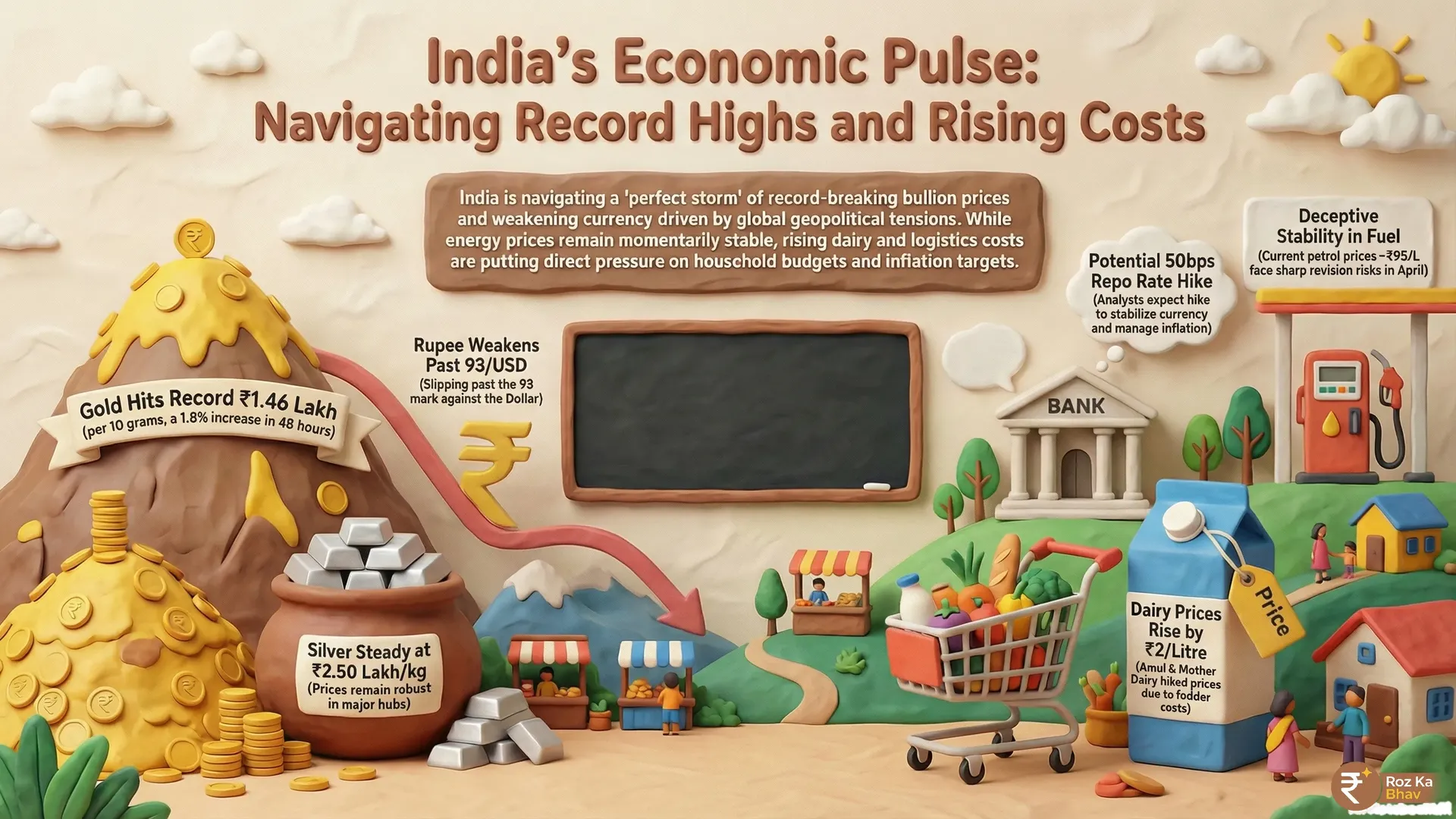
According to our market tracking, 24K gold in India opened at approximately ₹14,689 per gram. That places a standard 10-gram bar at nearly ₹1.47 lakh. Consider that for a moment: compared to the same period last year, the jump is staggering. Silver is holding its ground firmly at the ₹2.50 lakh per kilogram mark in major cities like Delhi and Mumbai. In southern markets such as Chennai, silver actually commands a premium often trading ₹10,000 higher than in the north due to local demand and logistics.
Current Gold & Silver Rates (March 27, 2026)
Note: Data based on 2026-03-27.
| Metal / Purity | Price per Gram | Price per 10 Grams | Daily Change |
|---|---|---|---|
| Gold 24K (99.9%) | ₹14,689 | ₹1,46,890 | +₹220 |
| Gold 22K (91.6%) | ₹13,465 | ₹1,34,650 | +₹200 |
| Silver (99.9%) | ₹250 | ₹2,500 (per 10g) | Steady |
For those planning weddings in the next quarter, these prices are a tough pill to swallow. While international spot gold fluctuates around the $2,400 per ounce mark, the domestic price is further inflated by the Rupee’s depreciation. Data from GoodReturns shows the 24K rate has seen a net increase of over 1.8% in the last 48 hours it is a high-stakes environment for retail buyers.
Energy Watch: Fuel Prices Hold Steady Amid Global Oil Turmoil
Despite the chaos in global oil markets, the price at the pump for the average Indian commuter has not moved today. We have seen Brent crude hover between $95 and $103 per barrel, yet Indian Oil Marketing Companies (OMCs) have managed to keep retail rates stable for another session. It is a welcome relief; however, most experts agree this is a temporary pause rather than a permanent plateau.
In Mumbai, diesel continues to retail at ₹90.03 per litre. It has stayed at this level for some time, providing an anchor for logistics and transport costs. In Delhi, petrol remains at ₹94.77. While these numbers look stable on the surface, under-recoveries for OMCs are mounting. Based on current exchange data, if the Rupee continues its slide, we may see a sharp revision by the first week of April.
City-Wise Fuel Price Comparison
Note: Data based on 2026-03-27.
| City | Petrol (per Ltr) | Diesel (per Ltr) | CNG (per Kg) |
|---|---|---|---|
| New Delhi | ₹94.77 | ₹87.67 | ₹75.59 |
| Mumbai | ₹103.54 | ₹90.03 | ₹80.00 |
| Bengaluru | ₹101.94 | ₹87.89 | ₹82.50 |
| Chennai | ₹100.75 | ₹92.34 | ₹81.00 |
The stability in CNG prices is vital for urban public transport. As of today, Delhi’s CNG remains at ₹75.59 per kg preventing a cascading effect on auto-rickshaw and taxi fares. For a look at historical trends, refer to the Petroleum Planning & Analysis Cell records, which highlight how the government uses strategic reserves to cushion these shocks.
Kitchen Essentials: Rising Costs of Daily Staples
While big markets discuss gold and oil, the real conversation at the dining table centers on milk and vegetables. This morning, millions of households across India started their day with more expensive milk; Amul and Mother Dairy have officially rolled out their ₹2 per litre price hike across most variants. The cause involves rising procurement costs and a surge in fodder prices a supply-side squeeze hitting consumers directly.
Meanwhile, the vegetable market presents a tale of two halves. In Delhi’s Azadpur Mandi, we saw a massive arrival of potatoes today over 2,900 tons. This surplus has driven wholesale prices down to between ₹300 and ₹600 per quintal. However, retail margins and transport costs mean shoppers are still paying around ₹25 – ₹30 per kg in neighborhood markets.
Essential Commodity Price Index
Note: Data based on 2026-03-27.
| Commodity | Wholesale (Avg) | Retail (Avg) | Recent Trend |
|---|---|---|---|
| Milk (Full Cream) | – | ₹68 / Ltr | Up ₹2 |
| Tomato | ₹1,000 / Qtl | ₹25 – ₹35 / Kg | Falling |
| Onion | ₹1,750 / Qtl | ₹35 – ₹45 / Kg | Stable |
| Garlic | ₹10,000 / Qtl | ₹140 – ₹180 / Kg | High |
Garlic remains a luxury item in the vegetable bin, with retail prices touching ₹180 per kg in parts of the capital. According to reports from The Economic Times, seasonal shifts are partly to blame, but the current fuel situation adds a layer of logistical expense that was absent last month.
Economic Outlook: Inflation Targeting and the RBI Strategy
The Government of India recently took a significant step by retaining the 4% inflation target through 2031. This gives the Reserve Bank of India (RBI) a clear mandate, though the road ahead appears bumpy. Goldman Sachs recently revised India’s growth forecast down to 5.9% for the year, citing the energy import bill as a major headwind. For an energy importer like India, conflict in the Middle East acts as a direct tax on GDP.
The Rupee’s weakness is another critical piece of the puzzle. When the Rupee falls, imported goods from electronics to crude oil become more expensive. Economists at IDFC First Bank anticipate that if the Rupee stays past the 93 mark, headline inflation could breach the RBI’s 4.8% projection. It is a delicate balancing act for the Monetary Policy Committee; many are bracing for a potential 50 basis point hike in the repo rate to defend the currency.
Frequently Asked Questions (FAQ)
1. Why is the gold price rising so rapidly in India?
Gold is rising primarily due to global geopolitical tensions in the Gulf, which increases demand for safe-haven assets. Additionally, the weakening Indian Rupee against the US Dollar makes imported gold more expensive for domestic buyers.
2. Will petrol and diesel prices increase next week?
While OMCs have kept prices stable today, experts suggest a price revision is likely if Brent crude remains above $100 per barrel and the Rupee continues to depreciate. Most analysts expect a ₹2 – ₹3 hike in early April.
3. Why did Amul and Mother Dairy increase milk prices?
Dairy companies cited a sharp rise in input costs specifically cattle feed and logistics. This ₹2 hike is intended to protect the margins of dairy farmers facing higher maintenance expenses.
4. Is now a good time to invest in Silver?
Silver is tracking gold’s rally but also maintains industrial demand components. While prices are at a historical high (₹2.5 lakh/kg), market analysts suggest buying on dips rather than entering at the peak of a geopolitical rally.
Source & Price Verification – Financial Markets
- Gold & Silver Prices: Data referenced from IBJA, MCX India, and international benchmarks.
- Petrol & Diesel Rates: Daily retail prices sourced from Indian Oil, HPCL, and BPCL.
- Commodity Market Data: Verified using MCX, NCDEX, and government statistical releases.
- Verification Process: Prices are cross-checked with at least two independent official or exchange-based sources before publication.
- Disclaimer: Market prices are indicative and may vary by city, tax structure, or intraday volatility.
Note: Prices are updated daily and cross-checked before publishing. If you notice any discrepancy, please email us at [email protected].