

Bullion Market: Seeking Financial Safety in Volatile Times
As the final auspicious hours of Akshaya Tritiya wind down today, the Indian gold market presents a fascinating paradox. While international spot prices show a slight correction; domestic rates remain stubbornly high, bolstered by festive demand and a depreciating Rupee. If you visited a jewelry store in Delhi or Mumbai this morning, you likely noticed the sticker shock on every face gold is no longer just a luxury: it is becoming a critical hedge against global uncertainty.
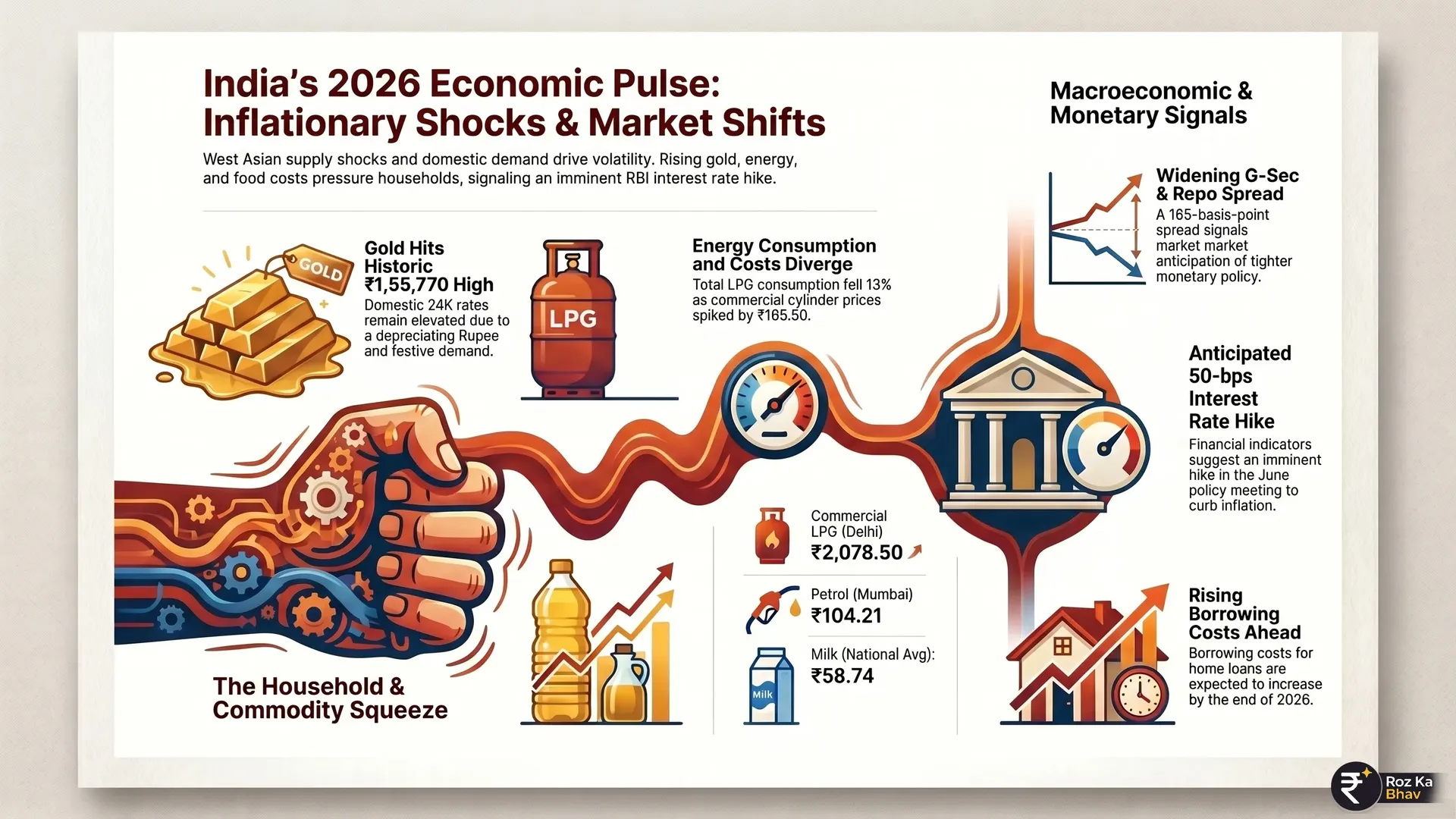
Market tracking shows that 24K gold is currently trading at approximately ₹1,55,770 per 10 grams. This is a staggering figure compared to just a year ago. Interestingly, the high entry barrier has shifted consumer behavior rather than heavy traditional sets, buyers are gravitating toward accessible luxury like 18K jewelry and lightweight 22K bands. When prices hit these levels, the traditional investment mindset shifts toward long-term preservation.
City-Wise Gold & Silver Rates Today (April 20, 2026)
Note: Data based on 2026-04-20.
| City | 24K Gold (10g) | 22K Gold (10g) | Silver (per kg) |
|---|---|---|---|
| Delhi | ₹1,55,920 | ₹1,42,940 | ₹2,74,900 |
| Mumbai | ₹1,55,770 | ₹1,42,790 | ₹2,74,900 |
| Chennai | ₹1,56,650 | ₹1,43,590 | ₹2,79,900 |
| Bangalore | ₹1,55,770 | ₹1,42,790 | ₹2,74,900 |
Silver has kept pace with this rally. Often called the poor man’s gold, it frequently sees the most volatile swings today, it is holding near ₹2.75 lakh per kg. In southern markets like Chennai and Hyderabad, buyers pay a premium of about ₹5,000 more than in the north. If you are planning a purchase, remember that these rates do not include the 3% GST or making charges which can add another 10% to 20% to the final bill.
Energy Watch: Escalating Costs for Kitchens and Commuters
The situation at the gas station and in the kitchen pantry is quite complex right now the ongoing conflict in West Asia has finally hit home. According to recent data from Business Today, India’s LPG consumption plummeted by 13% in March. Supply disruptions are making it increasingly difficult to secure the 90% of LPG usually imported from the Gulf region.
While the government has kept domestic 14.2 kg LPG cylinders steady at ₹913; the commercial sector has taken a massive hit. A 19-kg commercial cylinder in Delhi is now priced at ₹2,078.50. This isn’t just a concern for restaurateurs it is the direct reason your weekend dinner out just got more expensive. On a brighter note, CNG prices in regions like Uttar Pradesh have seen a slight downward correction toward ₹82 per kg, providing some relief for commuters.
Current Fuel & Gas Prices in Metro Markets
Note: Data based on 2026-04-20.
| Fuel Type | Delhi | Mumbai | Market Status |
|---|---|---|---|
| Petrol (per L) | ₹94.77 | ₹104.21 | Steady but high |
| Diesel (per L) | ₹87.67 | ₹92.15 | Rising logistics costs |
| CNG (per kg) | ₹100.90 | ₹81.00 | Delhi prices remain highest |
| Comm. LPG (19kg) | ₹2,078.50 | ₹2,030.00 | Up ₹195.50 since April 1 |
India remains vulnerable to these global shocks because we rely on Saudi Arabia and Qatar for over 40% of our crude. When sanctions or geopolitical tensions impact oil supply, the ripple effect reaches every auto-rickshaw and kitchen in the country. It is a stark reminder of how closely local expenses are tied to global politics.
Kitchen Essentials: Navigating Food Inflation
Fuel isn’t the only thing impacting budgets. The Vegetable Oil Price Index has recorded its third consecutive monthly increase, largely driven by energy costs and harvest pressures. If you have noticed the price of cooking oil creeping up, you are not alone sunflower oil is now averaging around ₹188 per liter across India.
However, there is some stability in the vegetable market. Potato and onion prices are currently steady, hovering around ₹19 and ₹23 per kg respectively. The primary concern for most households is now the dairy sector. For the first time since mid-2025, dairy prices have ticked upward; milk is averaging around ₹58.74 per liter nationwide, though premium urban variants can cost closer to ₹66.
Average Retail Food Prices (All-India)
- Tomato: ₹27.53 per kg
- Milk: ₹58.74 per liter
- Arhar Dal (Tur): ₹120.87 per kg
- Mustard Oil: ₹174.35 per liter
Based on exchange data and harvest reports, thali costs are expected to remain under pressure for the next quarter. Farmers are struggling with higher transport costs largely due to diesel prices and these expenses are inevitably passed down to the local mandi.
Macro Outlook: Is an RBI Rate Hike Imminent?
Looking at the broader picture, the Rupee saw a minor gain today, rising 13 paise to 92.78 against the US Dollar in early trade. While this is a small victory, the underlying trend remains a concern. Analysts at The Economic Times are increasingly wary of a Repo Rate hike.
The spread between the 10-year G-sec yield and the repo rate has widened to 165 basis points. Historically, such a gap suggests the market is anticipating the Reserve Bank of India to raise interest rates to curb inflation. If you have a home loan or are planning one, monitor the June policy meet we could see a 50-basis-point hike if West Asia tensions do not subside soon.
Frequently Asked Questions
1. Why is gold more expensive in India than in global markets?
India imposes high import duties on gold. When the Rupee weakens against the Dollar, importing gold becomes more expensive. Combined with high festive demand like Akshaya Tritiya, this leads to record-breaking domestic prices.
2. Will petrol prices decrease soon?
It is unlikely in the short term. As long as the Strait of Hormuz remains a geopolitical flashpoint, global crude supply stays on edge. India’s fuel prices are directly linked to these international benchmarks.
3. Why are commercial LPG prices rising while domestic rates stay flat?
The government often subsidizes or freezes domestic LPG prices to protect households. Commercial rates, however, are linked to the Saudi Contract Price which recently jumped 44%.
4. Is it a good time to invest in Silver?
Many analysts view silver as an undervalued alternative to gold. While it is more volatile, its industrial utility and lower price point make it attractive during periods of high gold inflation. Always consult a financial advisor before making significant commodity investments.
Source & Price Verification – Financial Markets
- Gold & Silver Prices: Data referenced from IBJA, MCX India, and international benchmarks.
- Petrol & Diesel Rates: Daily retail prices sourced from Indian Oil, HPCL, and BPCL.
- Commodity Market Data: Verified using MCX, NCDEX, and government statistical releases.
- Verification Process: Prices are cross-checked with at least two independent official or exchange-based sources before publication.
- Disclaimer: Market prices are indicative and may vary by city, tax structure, or intraday volatility.
Note: Prices are updated daily and cross-checked before publishing. If you notice any discrepancy, please email us at [email protected].
