

As the sun rises over Dalal Street this morning May 9, 2026 — the Indian economic engine is firing on multiple cylinders. Still, it faces significant headwinds from imported inflation and seasonal supply chain disruptions. For the average consumer, the financial narrative today is one of protection versus preservation: investors are flocking to gold as a safe haven while families navigate the volatile prices of the local sabzi mandi.
The Reserve Bank of India (RBI) continues to maintain its withdrawal of accommodation stance; they are closely monitoring the Consumer Price Index (CPI). While headline inflation numbers suggest a cooling trend, the reality on the ground tells a more nuanced story. Let’s dive deep into the specific sectors moving your money today.
Bullion Market: The Golden Bull Run Gains Momentum
Gold prices in India hit a significant psychological resistance level today. This domestic rally is fueled by a weaker Rupee trading near 84.50 against the USD and heightened geopolitical tensions in West Asia. These factors have driven international spot gold prices toward $2,450 an ounce. In local markets, demand for 24-carat gold saw a 2% uptick since last week, despite the high entry costs.
Silver often called the poor man’s gold is currently outperforming its yellow counterpart in percentage terms. Growing industrial demand for silver: particularly from the domestic solar panel and EV battery sectors; has kept the metal in short supply. Market analysts note that silver could test the ₹98,000 per kg mark before the quarter ends if this industrial momentum persists.
City-Wise Bullion Rates (May 9, 2026)
Note: Data based on 2026-05-09.
| City | Gold (24K/10g) | Gold (22K/10g) | Silver (1kg) |
|---|---|---|---|
| Mumbai | ₹78,450 | ₹71,910 | ₹94,200 |
| Delhi | ₹78,600 | ₹72,050 | ₹94,200 |
| Bengaluru | ₹78,450 | ₹71,910 | ₹93,800 |
| Chennai | ₹79,120 | ₹72,530 | ₹98,500 |
Source: IBJA and Local Bullion Associations. Prices exclusive of GST and making charges.
What this means for your wallet: for long-term investors, the buy on dips strategy remains valid. However, for those purchasing jewelry for the upcoming wedding season, experts suggest locking in prices through gold ETFs or digital gold to hedge against further spikes.
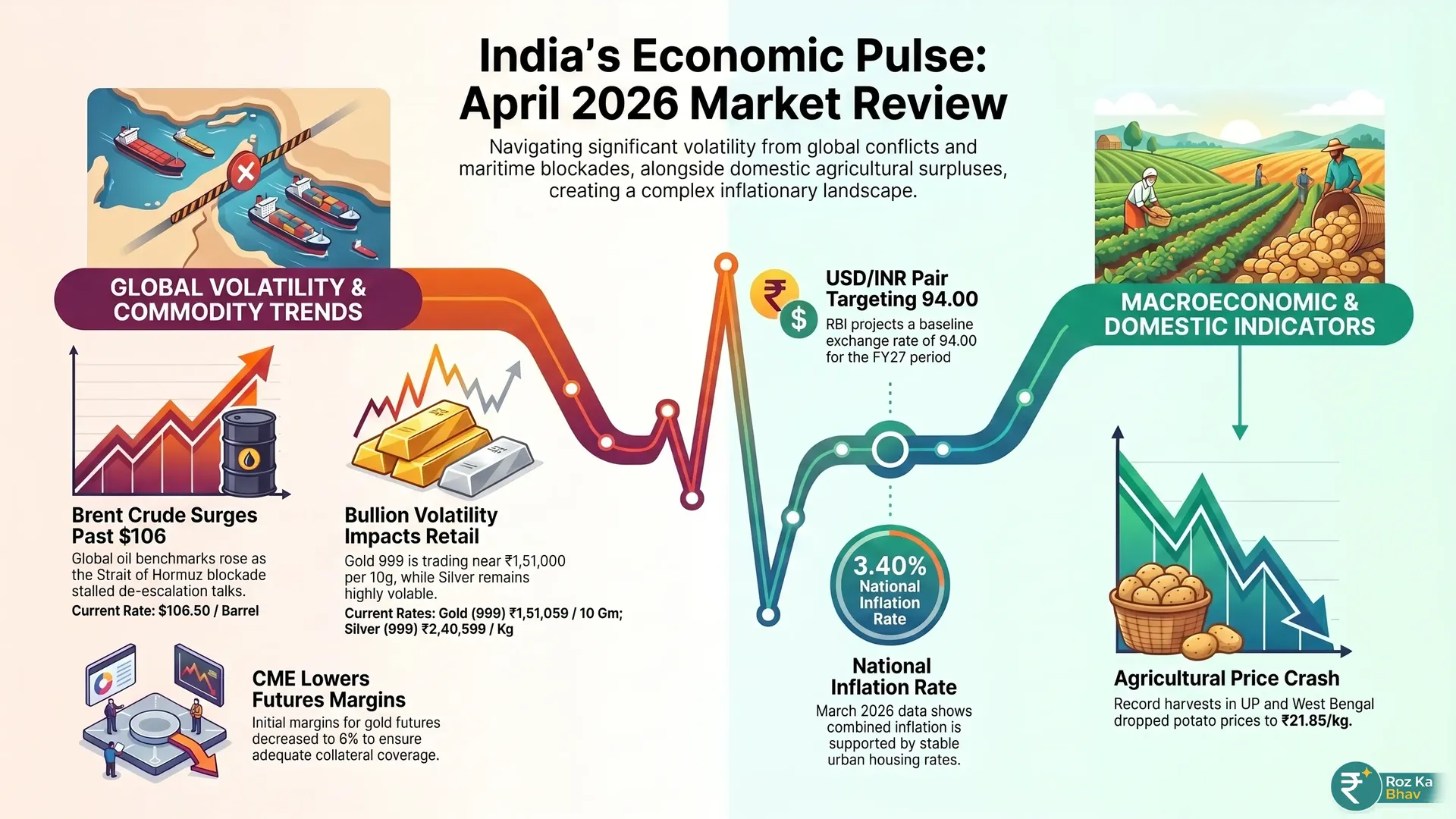
Energy Watch: Crude Realities and Retail Price Stability
Despite volatility in global Brent crude prices which are currently hovering around $88 per barrel retail prices for Petrol and Diesel in India have remained stable for the 14th consecutive week. This stability is largely attributed to strategic reserves and long-term contracts signed by Indian Oil Marketing Companies (OMCs) with non-traditional partners.
The real story in the energy sector today is the shift toward Compressed Natural Gas (CNG). With the government’s push for Green Corridors, CNG consumption has reached a record high. While prices saw a marginal revision in the Delhi-NCR region due to input cost adjustments; it remains the most viable alternative for the urban commuter.
Fuel Prices in Major Metros
Note: Data based on 2026-05-09.
| City | Petrol (per L) | Diesel (per L) | CNG (per kg) |
|---|---|---|---|
| New Delhi | ₹96.72 | ₹89.62 | ₹79.50 |
| Mumbai | ₹106.31 | ₹94.27 | ₹87.00 |
| Kolkata | ₹106.03 | ₹92.76 | ₹84.00 |
| Chennai | ₹102.63 | ₹94.24 | ₹85.50 |
The green premium is beginning to surface. While petrol and diesel rates are flat, we are seeing a gradual increase in logistics costs. If global crude stays above $90 for more than a month, OMCs may be forced to pass on a ₹2 – 3 hike to consumers after the current fiscal quarter.
Kitchen Essentials: Navigating the Inflationary Heatwave
The most immediate concern for Indian households today isn’t gold: it is the cost of the daily thali. A prolonged heatwave in the primary cultivation belts of Maharashtra, Karnataka, and Uttar Pradesh has led to a 15 – 20% drop in fresh produce arrivals at Agricultural Produce Market Committees (APMCs).
Tomatoes are showing signs of a 2023-style price shock: wholesale rates in Kolar and Nashik have jumped by 30% in just ten days. Similarly, the onion buffer is being released by the government to stabilize the market, but retail margins remain high. On the dairy front, major cooperatives have announced price adjustments for ghee and butter; citing higher fodder costs and refrigerated transport expenses during the summer.
Average Retail Prices (Weekly Change)
Note: Data based on 2026-05-09.
| Commodity | Current Price (Avg) | Previous Week | Trend |
|---|---|---|---|
| Tomato (Hybrid) | ₹55/kg | ₹38/kg | ▲ 44% |
| Onion (Medium) | ₹35/kg | ₹32/kg | ▲ 9% |
| Potato | ₹28/kg | ₹25/kg | ▲ 12% |
| Milk (Full Cream) | ₹68/L | ₹66/L | ▲ 3% |
Regional Focus: Why Bengaluru is Feeling the Pinch
Bengaluru is witnessing the highest vegetable inflation among South Indian cities. This is due to a perfect storm of local water scarcity affecting peri-urban farming and a surge in transport costs from neighboring districts. Green chilies and coriander leaves staples of the local diet saw prices double in local markets over the weekend.
Market Forecast: What to Expect Through Late May
Looking ahead, the Indian economy is at a crossroads. We expect the following trends to dominate the remainder of May 2026:
- Gold Stabilization: Unless a major geopolitical event occurs, gold is likely to consolidate between ₹77,500 and ₹79,000. Upcoming central bank meetings in the US and Europe will provide the next big trigger.
- Monsoon Watch: The IMD’s second forecast for the Southwest Monsoon is the most critical factor for the vegetable and pulses market. A normal monsoon could cool prices by July.
- Equity Market Spillover: As commodity prices rise, we might see a sectoral rotation in the stock market. FMCG stocks may face margin pressure, while metal and mining companies could see a boost.
Frequently Asked Questions
Gold is a global commodity. Even with a strong domestic economy, international factors such as a weakening US Dollar, global inflation, and central banks (including the RBI) increasing their reserves drive domestic prices higher.
Short-term fuel price cuts are unlikely. The government is using current price stability to recoup previous OMC losses and fund infrastructure. Significant cuts would require Brent crude to stay below $75 per barrel for an extended period.
No. Vegetable inflation in India is highly seasonal. The current spike is linked to summer heat and water shortages. Once the monsoon arrives and the harvest cycle resets usually by late August prices typically stabilize.
Diversification is vital. Since traditional savings may not beat 6 – 7% inflation, a mix of Sovereign Gold Bonds (SGBs), diversified mutual funds, and indexed bonds can help preserve your purchasing power.
Source & Price Verification – Financial Markets
- Gold & Silver Prices: Data referenced from IBJA, MCX India, and international benchmarks.
- Petrol & Diesel Rates: Daily retail prices sourced from Indian Oil, HPCL, and BPCL.
- Commodity Market Data: Verified using MCX, NCDEX, and government statistical releases.
- Verification Process: Prices are cross-checked with at least two independent official or exchange-based sources before publication.
- Disclaimer: Market prices are indicative and may vary by city, tax structure, or intraday volatility.
Note: Prices are updated daily and cross-checked before publishing. If you notice any discrepancy, please email us at [email protected].
